
Independent School District 200 is preparing to send out its annual School Perception Survey, asking parents, staff,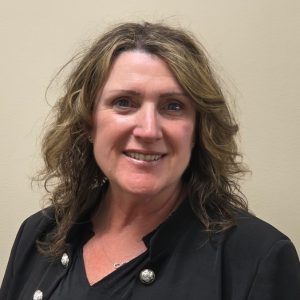 and students about their experiences in the district.
KDWA connected with Superintendent Dr. Kristine Wehrkamp Herman, who says the survey gives the district a better understanding of what’s working and where changes may be needed.
The survey has been conducted for three years and goes to parents, staff, and students in grades four through 12. Questions cover topics including engagement, belonging, morale, and the school environment.
“The perception survey is a survey that we have been sending out. Last year was our third year sending it, and we send it out to parents, to staff, and to students in grades four through 12. And the survey asks for information regarding their school experience, including things like engagement, belonging, and morale—thinking of staff, environment, and those kinds of questions. It kind of gives us a pulse on how things are going from the perspectives of parents, staff, and students.”
The 2025 results showed both strengths and areas for improvement, with responses varying among staff, parents, and students.
Staff gave strong marks to their relationships with co-workers, access to technology, workplace safety, and their work educating students. Areas identified for improvement included student discipline, staff input, pay practices, and perceptions of district direction.
Parent feedback was positive about how staff treat their children, the condition of school facilities, feeling welcomed, and having a staff member they can reach out to with questions or concerns.
Students reported strong connections with friends, a willingness to try their best, and feeling respected by teachers. Lower-scoring areas included making classes more interesting, feeling comfortable answering questions in class, and connecting schoolwork to life outside the classroom.
Dr. Wehrkamp Herman says the district has used those results as a starting point for conversations with the school board, staff, and community members.
“We’ve had our Community Collaboration Committee that the board subcommittee that we pulled together in January. We invited all the community to come, where we shared the results with them as well, and we met with them then again in the spring. I also then went to every single building staff meeting and presented information and asked for input on what they could do and what some action steps we could take around that. I met their leadership groups as well at every single building, and in some areas there just, you know, they’re looking for more—building relationships with school board members.”
One issue that came up in those discussions was communication, including opportunities for community members to provide feedback and for school board members to spend more time in district buildings.
The 2025 survey drew responses from 78% of students in grades four through 12, 49% of staff, and 14% of parents.
Parent participation has declined over the three years the survey has been conducted, while student participation has increased.
The district is now looking at changing the survey itself, with the goal of getting more specific information from respondents.
“Well, I think what we’re kind of learning is a lot of times we’ll get feedback from the survey, but we don’t know what they really mean if they’re not happy with it. Like we don’t know what you’re not happy with. The questions were a bit vague, and so the board decided to have an ad hoc committee come together, so Mark Zuzek and Carrie Tate and Phil Biermaier, and then, I’m there of course, went through all of the questions and looked at ‘Does this make sense?’ and ‘What is it that we’re looking for?’ and so a couple of things that we’ll do is if a person puts ‘disagree’ or ‘strongly disagree,’ we’re going to ask them to give us an example, so we kind of know what that means.
So, if you say the district is headed, isn’t headed in the right direction, what do you mean? Where are we not going? We don’t have any specific details on what that means, and so we’re hoping by those examples that’ll make it more actionable because sometimes it might be what one person might say the district’s not headed in the right direction and mean one thing, and another person have that same thing and mean something completely different.”
The district is also considering shortening the survey, especially for parents, in an effort to improve participation.
“So we’re trying to streamline it a little bit so it’s not too overwhelming for someone. We want them to want to take it, not to feel like, “Geez, you’re taking up all my time. That kind of thing, and then also just that the information we get, we we can do something with. And so I feel like that work of the ad hoc committee—they met twice to kind of do that, put that back to Darren, and then when he comes and brings back, we’ll put it all together for the entire board to review for our next work session.”
Dr. Wehrkamp Herman says she has also met with students from across the district to hear directly about their experiences and sense of belonging.
The next School Perceptions survey will be sent to parents in November. Staff will have dedicated time to complete the survey during a professional development day.
Dr. Wehrkamp Herman says the goal is to increase participation while focusing the survey on issues the district can act on.
“The more parents that fill it out, the better we feel we have true representation of what our parents feel, and so I just would encourage them to do that. We’re also going to be giving it out to staff on a staff PD day. Just give a little bit of time during that day, about half hour, 45 minutes, so they have time. I’m hoping that gets a larger response rate from them, and then also making it so that it’s not personally identifiable.
So I don’t want—it’s not an opportunity for an anonymous participant to jab at one individual person. It’s more about can we talk about systems and what can we do as a whole to change? What can we do systemically to change things? Operationally to change things. That kind of thing. So I’m hoping that we get a better response rate than what we’ve had in the past. Not that what we’ve had is bad, just that we’re always looking for more. Then we can take that information and see some actionable items from it.”
The district plans to use the revised survey questions and feedback to identify specific actions and longer-term areas for improvement.